
Introduction
Imagine savoring a hearty pot roast that’s both delicious and gluten-free. That’s what we’re diving into today with our venison pot roast recipe. It’s not just a feast for the taste buds but also a healthier alternative for those on a gluten-free diet.
Overview of Gluten-Free Cooking
Gluten-free cooking doesn’t mean bland or boring. It’s about finding the right substitutes that keep the flavor while ditching the gluten. For many, it’s a necessity, not a choice. Did you know about 1% of the global population has celiac disease? That’s millions cooking gluten-free daily!
But it’s not all about health. There’s a creative joy in tweaking traditional recipes to suit gluten-free needs. It’s like a culinary puzzle, isn’t it?
Benefits of Venison Over Other Meats
Now, why venison? First off, it’s leaner than most meats, packed with protein but lower in fat. Did we mention it’s rich in iron and B vitamins? That means energy boost without the guilt. Plus, for those tracking their environmental footprint, venison is typically more sustainable than beef. Fewer resources, less grazing land, remember?
It’s also about the taste—venison brings a unique, gamey flavor that beef just can’t match. Ever tried it? It’s a game changer, pun intended!
What to Expect in This Recipe
This isn’t your grandma’s pot roast. We’re keeping it gluten-free, remember? Expect substitutions like gluten-free flour for thickening and a splash of creativity with herbs and spices. We’re talking a blend of rosemary, thyme, and maybe a little secret ingredient. Can you guess?
And it’s easy to follow. We’ll walk you through each step, ensuring you end up with a dish that’s both comforting and impressively tasty. Ready to give it a try and surprise yourself?
Ingredients
Let’s dive right into what you’ll need for this cozy, gluten-free venison pot roast. Perfect for a chilly evening, right?
Key Ingredients for Gluten-Free Pot Roast
First off, the star of the show: venison. About 3 pounds of venison roast will do. It’s leaner than beef, did you know? Makes for a tender, flavorful dish once slow-cooked. You’ll also need some vegetables—carrots, potatoes, and onions. Go for about 4 carrots, 4 potatoes, and one large onion to balance the flavors.
Now, for the liquids and flavorings. Beef broth is usually the go-to, but here’s where we make it gluten-free—ensure your broth is certified gluten-free, or make your own to be safe. You’ll need about 3 cups. Add in a tablespoon of gluten-free Worcestershire sauce to deepen those flavors. Have you ever tried adding a dash of balsamic vinegar? Just two tablespoons can really brighten up the dish.
Substitutes for Common Allergens
If you’re dodging other allergens, there are easy swaps. Say, for potatoes, can’t handle them? Try parsnips or turnips. They roast beautifully and are often overlooked, right?
For those avoiding dairy, the usual butter can be swapped for a good quality olive oil or even coconut oil for browning the venison. Just make sure it’s a subtle one. Nobody wants a coconut-flavored pot roast, do they? And if onions are a no-go, fennel is a fantastic replacement. It gives a slight licorice hint which surprisingly complements the venison.
Remember, making this dish your own is all about the balance and finding what works for you and your family. Isn’t it great when everyone can enjoy the same delicious meal without worry? So, grab these ingredients and get ready for a lovely dinner that’s sure to impress.
Preparation Steps
Let’s dive right into preparing a mouth-watering gluten-free venison pot roast. The key? Careful preparation and patience.
Preparing the Venison
First things first, the venison. Have you seen those cuts marbled with fat? Gorgeous, right? Choose a shoulder or rear leg cut for best results. Make sure it’s fresh or well-thawed if frozen. You’ll need about 3 to 4 pounds for a hearty meal that serves four. Trim off any excess fat — a little is fine, but too much can overpower the dish.
Next, pat the venison dry. Season it generously with salt and pepper. Maybe throw in some garlic powder? Yes, that adds a nice touch. Let the meat sit while you prepare the other ingredients. This little wait helps the flavors to start mingling.
Mixing Gluten-Free Ingredients
Now, for the gluten-free magic. You’ll need a good blend of gluten-free flour for thickening the gravy. I prefer a mix of rice flour and tapioca starch — it gives a silky texture without the gumminess. You’ll want about two tablespoons.
For the veggies, chop up carrots, onions, and celery. Keep the pieces large; they’ll cook down and add incredible flavor. Here’s a tip: Add a splash of balsamic vinegar to the onions as you sauté them in olive oil. It lifts the whole dish with a slight tang. Trust me, it’s a game-changer.
Setting Up the Cooking Equipment
Got your slow cooker or a Dutch oven? These are perfect for a pot roast. They distribute heat evenly, letting the venison cook slow and steady. If using a slow cooker, set it to low. It’ll need about 8 hours to get that tender, fall-apart goodness. In a Dutch oven? Cover it and keep it in an oven preheated to 325°F. That’ll take about 3-4 hours, depending on the size of your roast.
Before you start, here’s something personal. The first time I tried this, I was nervous. Could I really make a tender roast? But when I saw my family’s smiles, all doubts vanished. So, don’t worry too much. It’s hard to mess up when you cook with care. Lay the seasoned venison in your cooker, scatter the veggies around it, sprinkle the flour mix over it, and pour in enough beef broth to cover half the meat. Let the equipment do its magic while you enjoy the aromas filling your kitchen. Ready to try?
Cooking Process
Ready to make your kitchen smell amazing? Let’s dive right into making that gluten-free venison pot roast. Venison, as you might know, can be tricky. It cooks differently than beef and needs a bit of pampering to get it just right.
Cooking Temperatures and Times
First things first, getting the temperature and timing right is crucial. You’ll want to sear the venison at a high heat – think about 450°F for about 15 minutes. Why so hot? It locks in those juices. After searing, drop the temperature to 325°F. This will cook the meat slowly, letting it soften without losing moisture. Plan on about 2 to 3 hours for a 3-pound roast. The key is a low and slow approach to transform the tough meat into something wonderfully tender.
Tips for Moist and Tender Venison
Here’s a personal tip: don’t skip the marinating step. Marinate your venison overnight in a mix of olive oil, garlic, and your choice of herbs. This not only adds flavor but also tenderizes the meat. Another trick is to baste. Yes, basting. Every 30 minutes, spoon those delicious cooking juices over the roast. Sounds simple, right? But it makes a huge difference. It’s like giving the venison a quick spa treatment, keeping it relaxed and moist.
Safety Tips for Gluten-Free Cooking
Gluten-free cooking isn’t hard, but it needs mindfulness. Always double-check your broth and seasoning mixes. Gluten can hide in sneaky places. Did you know that some store-bought broths have gluten as a thickener? Always opt for labels that clearly state “gluten-free.” Cross-contamination is another watch-out. Use separate utensils and pans that haven’t touched gluten-containing foods. It sounds a bit over the top, doesn’t it? But better safe than sorry, especially when cooking for those with celiac disease or gluten sensitivity.
There you have it. Not too complex, right? Follow these steps, and your kitchen will soon fill with the aroma of delicious, tender venison roast. Enjoy the process and the meal!
Serving Suggestions
Ever wondered how to elevate your gluten-free venison pot roast? It’s all about what you serve it with and how you present it. Let’s dive into making your meal unforgettable.
Accompaniments and Side Dishes
First off, think texture and balance. A creamy mashed cauliflower goes brilliantly with the tender venison. It’s low-carb, which is a plus for those watching their intake! Have you tried adding a hint of roasted garlic to the cauliflower? It’s a game-changer.
For greens, a simple arugula salad with a lemon vinaigrette adds a fresh, peppery touch. It cuts through the richness of the meat beautifully. And here’s a tip: toss in some pomegranate seeds for a pop of color and sweetness. Who knew right?
Don’t forget a rustic gluten-free bread. It’s perfect for sopping up those luscious gravy juices. If you’re up for it, baking your own bread can make this meal even more special. Imagine the aroma in your kitchen!
Presentation Tips
Now, how we plate this can make a big difference. Always start with a warm plate; it keeps the food hot longer. Spoon your mashed cauliflower as a base, creating a fluffy bed for your roast. It looks so inviting!
Then, slice your venison pot roast against the grain. This ensures each piece is as tender as possible. Fan out the slices neatly over the cauliflower. It’s not just about taste, right? We eat with our eyes first.
To finish, drizzle some of that rich, savory gravy over the top. Maybe sprinkle a little fresh parsley for that dash of green—it’s simple but effective. Ever thought a sprinkle could make such a difference? It’s all about those final touches.
Remember, the key is in the details. A well-thought-out presentation makes your dish go from good to great. Now, ready to impress at your next dinner?
Nutritional Information
Considering a gluten-free venison pot roast? Good call! It’s packed with nutrients and is surprisingly lean. Let’s dive into what makes this dish a healthy choice, shall we?
Caloric and Nutrient Content
First off, venison is a real powerhouse when it comes to protein. A 3-ounce serving gives you about 26 grams of protein and roughly 158 calories. Not bad, right? And since it’s so lean, the fat content is pretty low — only about 2 grams per serving.
But there’s more to it than just protein and low fat. Venison is also rich in iron, which helps in combating anemia and boosting energy levels. Plus, it’s a fantastic source of B vitamins, particularly B12, essential for nerve health and proper brain function. Zinc? Yep, it’s got that too, supporting immune health.
Health Benefits of a Gluten-Free Diet
Now, moving on to the gluten-free aspect. Ever wonder why people go gluten-free? For starters, it helps those with celiac disease, sure, but it can also reduce bloating and improve energy levels in some folks. Cutting out gluten means relying on other grains like rice or quinoa, which can diversify your nutrient intake.
And here’s a personal tidbit — my cousin switched to a gluten-free diet. Her energy levels? Much better. She used to feel sluggish after meals, especially ones heavy with traditional grains. Now, she’s more active and vibrant. It’s not magic, but for some, it works wonders.
So, wrapping up, a gluten-free venison pot roast isn’t just tasty; it’s a smart choice for your body. High in protein, low in fat, and free from gluten — it’s kind of a no-brainer for a hearty meal that won’t leave you feeling weighed down. Why not give it a shot?
Common Mistakes to Avoid
When crafting a gluten-free venison pot roast, precision is key. A few missteps can turn this savory dish into a culinary flop. Let’s dive into the common pitfalls and how to sidestep them.
Gluten Contamination Issues
Ever thought gluten could sneak into your venison roast? It can. The usual suspect? Broth. Many store-bought broths are not gluten-free. Always check the label, or better yet, make your own. It’s easier than you think. Another sneaky source is spice mixes. Some contain additives that are not gluten-free. Opt for whole, fresh spices to be safe. Remember, cross-contamination can happen in your kitchen too. Use clean utensils and surfaces when preparing your gluten-free dish.
Imagine this: last Thanksgiving, my cousin, who’s highly sensitive to gluten, had a reaction. We traced it back to a supposedly “safe” commercial broth. Lesson learned. We now triple-check everything that goes into our meals.
Overcooking the Venison
Overcooked venison? It’s like chewing an old boot. Venison is leaner than beef, so it dries out faster. The trick? Low and slow. Keep your oven temp around 275°F. Aim for an internal temperature of 145°F for that perfect medium-rare. Don’t rely just on timing. Use a meat thermometer.
Last year, I made the mistake of setting the oven too high, thinking it would speed things up. Big mistake. The roast was tough, almost inedible. Had to smother it in gravy to make it palatable. Trust me, stick to the right temperature and cook time. Your taste buds will thank you.
Avoid these blunders and you’re on your way to a delicious, gluten-free venison pot roast that’s both satisfying and safe for everyone to enjoy.
Additional Tips and Tricks
Getting that venison pot roast just right can be tricky, huh? Especially when you’re keeping it gluten-free. But don’t worry, I’ve got some pointers that might just make your next roast a breeze.
Making Gluten-Free Gravy
Gravy makes everything better, right? For a gluten-free version, ditch the traditional flour. Instead, use cornstarch or arrowroot powder as a thickener. Just mix a couple of tablespoons with water to create a slurry. Stir it into your cooking juices. Remember, it thickens fast, so keep an eye on it!
Another tip? Don’t rush the simmer. Let it gently bubble to bring out the flavors. I once had a gravy mishap where rushing turned my silky sauce into a gloppy mess. Learned my lesson: slow and steady!
Storing Leftovers
Leftovers are the best part, aren’t they? To keep your venison pot roast tasting fresh, cool it down quickly before storing. This prevents bacterial growth. Pop it in shallow containers and get it into the fridge within two hours of cooking.
When you’re ready to reheat, do so thoroughly. Heat it until it’s steaming hot throughout, reaching at least 165°F. Trust me, no one enjoys a lukewarm roast. Plus, it’s safer that way. Oh, and if you’re wondering, venison pot roast can be frozen for up to three months. Just make sure it’s tightly wrapped or in an airtight container to avoid freezer burn.
There you have it—simple, right? With these tips, your next gluten-free venison pot roast should not only be delicious but also safe and satisfying. Who knew a few small tweaks could make such a big difference?
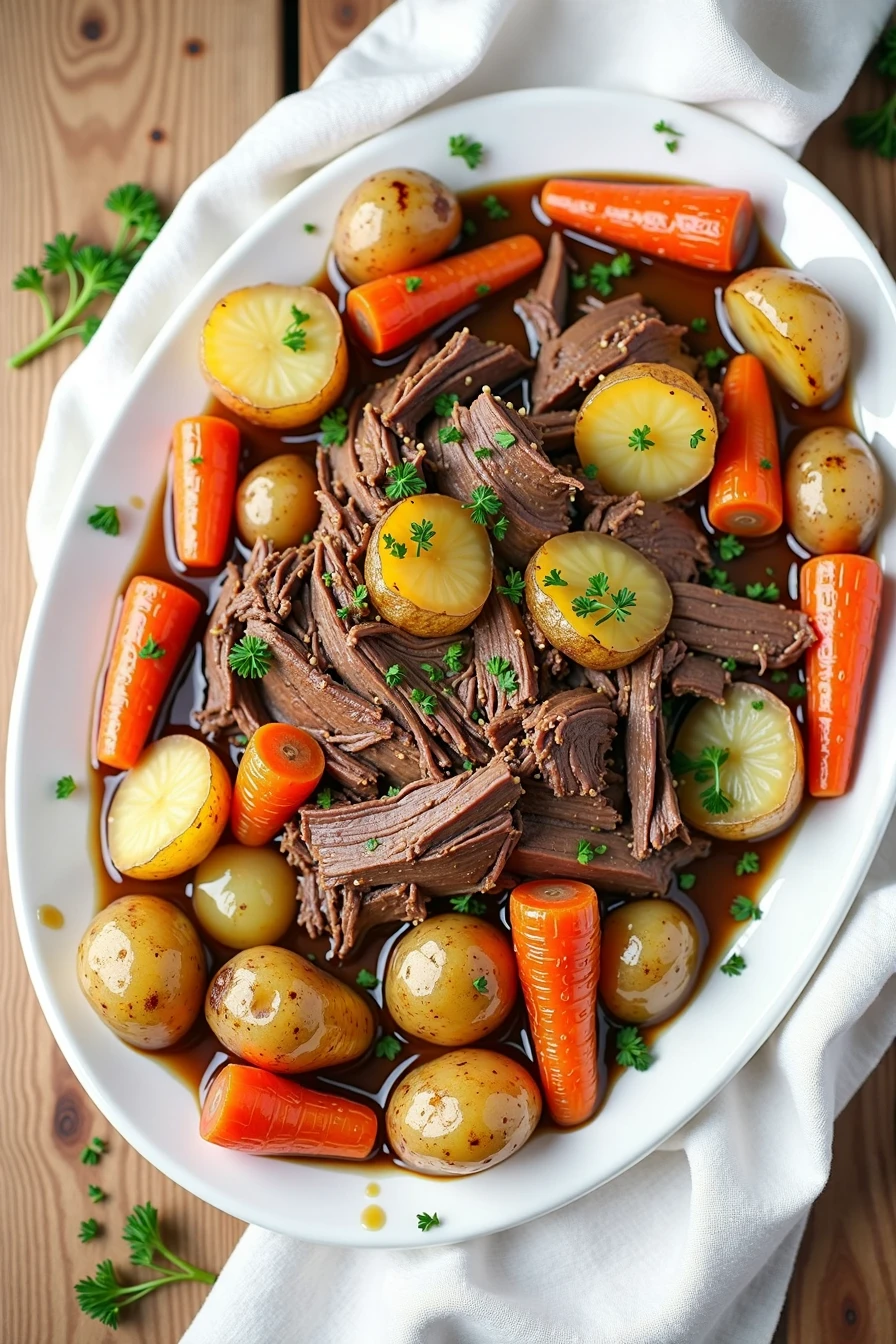
Gluten-Free Venison Pot Roast
A hearty and flavorful venison pot roast made gluten-free, perfect for a cozy meal on a chilly evening. This recipe combines tender venison with vegetables and savory spices, slow-cooked to perfection.
Ingredients
- 3 pounds venison roast
- 4 carrots
- 4 potatoes
- 1 large onion
- 3 cups gluten-free beef broth
- 1 tablespoon gluten-free Worcestershire sauce
- 2 tablespoons balsamic vinegar
- 2 tablespoons gluten-free flour (mix of rice flour and tapioca starch)
- Salt
- Pepper
- Garlic powder
- Olive oil
- Fresh herbs (rosemary, thyme)
- Celery
Directions
-
Trim excess fat from the venison roast and season generously with salt, pepper, and garlic powder. Let it sit while preparing other ingredients.
-
Chop carrots, potatoes, onions, and celery. Sauté onions in olive oil with a splash of balsamic vinegar.
-
Layer seasoned venison in a slow cooker or Dutch oven, add vegetables, sprinkle with gluten-free flour mix, and pour beef broth halfway up the meat.
-
Cook the venison pot roast in a slow cooker on low for 8 hours or in a preheated oven at 325°F for 3-4 hours.
-
Sear the venison at 450°F for 15 minutes, then reduce the heat to 325°F and cook for 2-3 hours until tender.
-
Marinate the venison overnight in olive oil, garlic, and herbs for added flavor and tenderness. Baste the roast every 30 minutes during cooking.
-
Serve the gluten-free venison pot roast hot with accompanying sides like mashed cauliflower, arugula salad, and gluten-free bread.
-
Store leftovers in shallow containers in the fridge, ensuring thorough reheating before serving. Leftovers can be frozen for up to three months.